
Dermal Fillers

Dermal fillers add volume, smooth wrinkles, and enhance facial contours as a non-surgical alternative to facelifts. Results are immediate and can last from months to years. Choosing an experienced Aesthetic Dcotor ensures safety and natural-looking results.
What Dermal Fillers Are
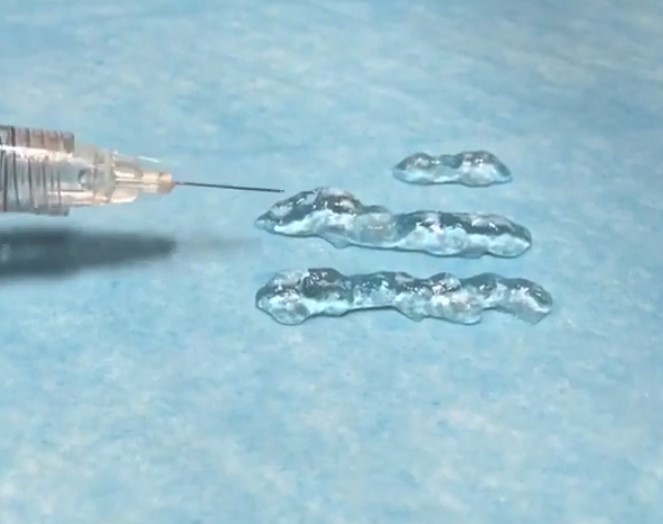
Fillers are injectable substances that restore volume, enhance facial features, and reduce the appearance of wrinkles.
Types of Fillers:
- Hyaluronic Acid (HA) Fillers
- Poly-Caprolactone
- Calcium Hydroxylapatite (CaHA) Fillers
- Poly-L-Lactic Acid Fillers
How Dermal Fillers Work
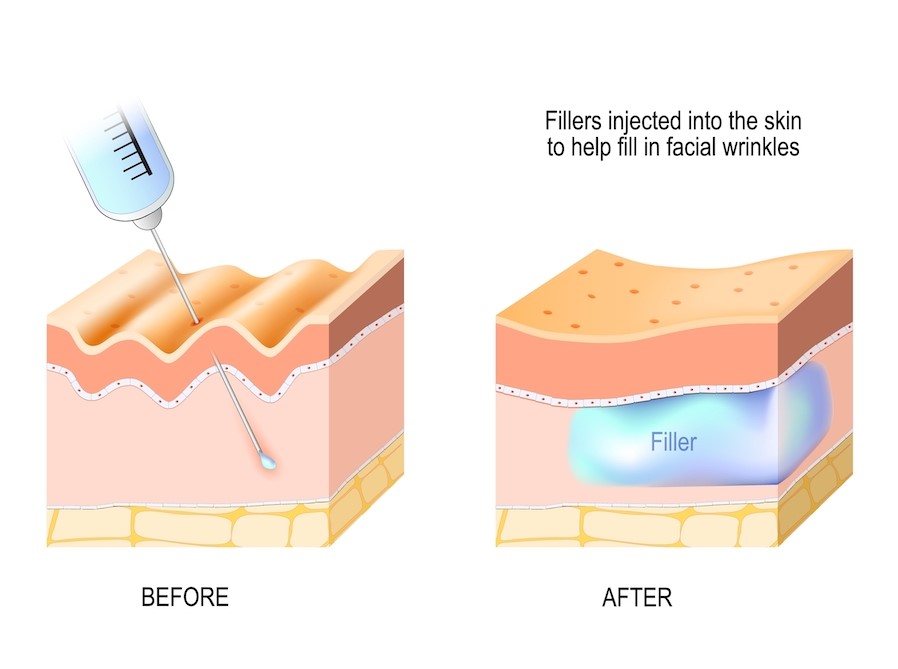
- Filling Wrinkles and Folds: Dermal fillers are injected beneath the skin to plump up areas where volume has been lost, smoothing out wrinkles and fine lines.
- Enhancing Contours: Fillers can add volume to areas like the cheeks, lips, chin, and jawline, creating a more defined and youthful appearance.
- Hydration and Collagen Stimulation: Some fillers (especially hyaluronic acid) help hydrate the skin, while others, like calcium hydroxylapatite, poly-caprolactone and poly-L-lactic acid, stimulate collagen production for longer-lasting effects.
Common Treatment Areas
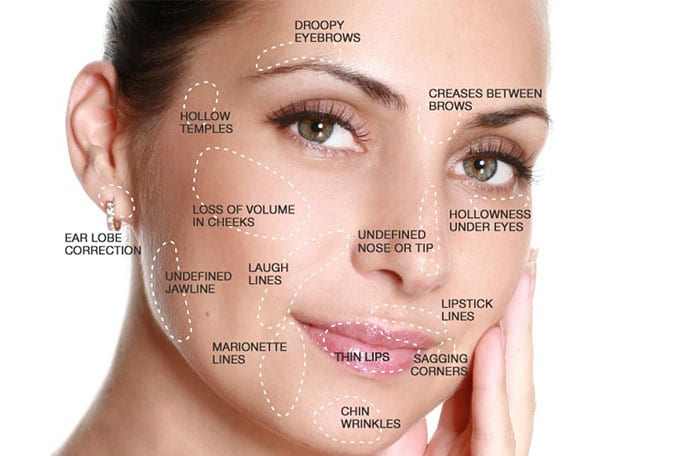
- Cheeks: To restore volume and lift sagging skin.
- Lips: For augmentation or to smooth lip lines (commonly known as smoker's lines).
- Nasolabial Folds: The lines that run from the nose to the corners of the mouth (smile lines).
- Marionette Lines: The lines that run from the corners of the mouth down to the chin.
- Under-Eye Hollows: To reduce the appearance of dark circles and bags.
- Chin and Jawline: To improve contour and reduce the appearance of jowls.
- Liquid Rhinoplasty: To improve the profile of the nose making it look straighter and leaner.
Procedure

- Consultation: Before the procedure, you will have a consultation with an Aesthetic Doctor to discuss your goals, medical history, and concerns.
- Injections: The practitioner uses a fine needle or cannula to inject the filler into the target areas.
- Duration: The procedure typically takes 10 to 30 minutes, depending on the number of areas being treated.
- Aftercare: There is little to no downtime after filler injections. Mild swelling, redness, or bruising at the injection site is normal and usually resolves within a few days.
Results

- Immediate Effects: Most fillers provide immediate or near-immediate results, with the full effect visible after any initial swelling subsides.
- Longevity: The results can last anywhere from 6 months to 2 years, depending on the type of filler used and the area treated. Hyaluronic acid fillers tend to last between 6 to 18 months, while other fillers, like calcium hydroxylapatite, poly-caprolactone or poly-L-lactic acid, may last longer.
- Gradual Dissipation: Over time, the body naturally absorbs the filler, and touch-up treatments are needed to maintain results.
Benefits of Dermal Fillers
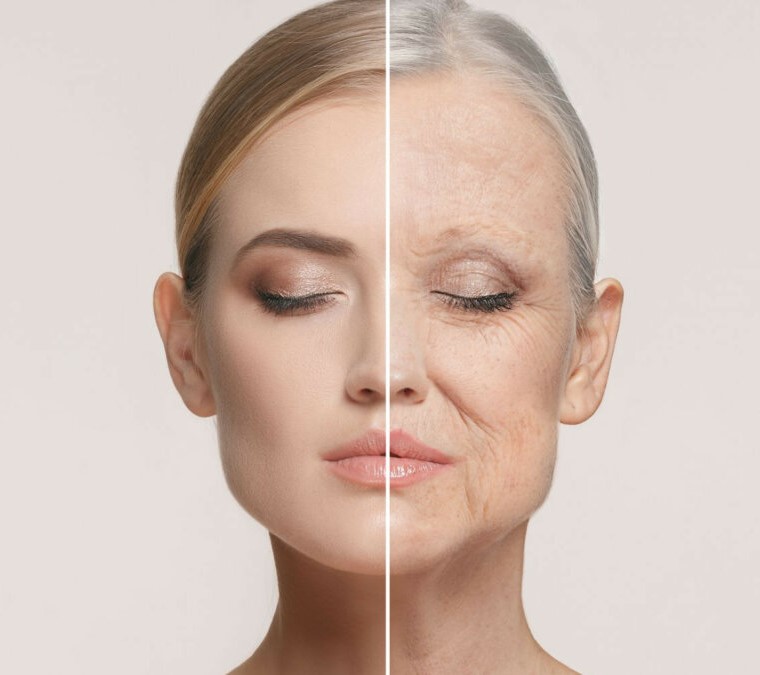
- Non-Surgical and Minimally Invasive: No surgery, incisions, or long recovery periods.
- Customizable: Fillers can be tailored to meet specific needs, whether that's adding volume, enhancing features, or smoothing wrinkles.
- Natural-Looking Results: When administered by a skilled Aesthetic Doctor, fillers can provide subtle and natural-looking enhancements.
- Instant Gratification: Most fillers offer immediate results with minimal downtime.
Risks and Side Effects

Common Side Effects:
Swelling, redness, bruising, tenderness, and small lumps usually going away within a few days.
Rare Complications:
Infection: Rare, but can happen at injection site.
Blocked Blood Vessel: Can cause tissue damage or, in very rare cases blindness.
Uneven Results: Can usually be fixed
Allergic Reactions: Extremely rare with modern fillers.
Who Should Avoid Dermal Fillers
- Pregnant or Breastfeeding Women
- Certain Medical Conditions: People with severe allergies, autoimmune disorders, or active skin infections near the areas to be treated should avoid fillers.
- Previous Reactions: Those who have had allergic reactions to filler substances should avoid dermal fillers.
Choosing a Practitioner
- Experienced Professional: At RevivEstetik, treatments are performed by licensed Aesthetic Doctors with up to 18 years of experience.
- Safety First: Always prioritize safety over cost to avoid complications or unsatisfactory results.
Reversibility
- Hyaluronic Acid Fillers: These fillers can be reversed using an enzyme called hyaluronidase, which dissolves the filler if needed.
- Other Fillers: Non-hyaluronic fillers, like calcium hydroxylapatite, poly-caprolactone and poly-L-lactic acid, cannot be dissolved and will need to naturally degrade over time.